



Understanding the psychological triggers behind casino gambling behavior
The Allure of Chance and Uncertainty
The thrill of gambling is deeply rooted in the psychological attraction of chance. People are often drawn to casinos because of the unpredictability involved; the uncertainty of winning or losing can evoke a range of emotions. This excitement triggers the brain’s reward system, releasing dopamine, which reinforces the behavior. Gamblers experience a rush when they place bets, fueled by the potential for instant gratification, which is a core aspect of human psychology.
This allure of chance taps into a fundamental human instinct: the desire to control outcomes in an unpredictable environment. Whether it’s the spin of a roulette wheel or the shuffle of cards, each game offers a chance to manipulate fate. This perceived control is a powerful motivator, encouraging players to engage repeatedly. As they navigate the ups and downs, each loss can heighten the desire to continue playing in hopes of regaining control.
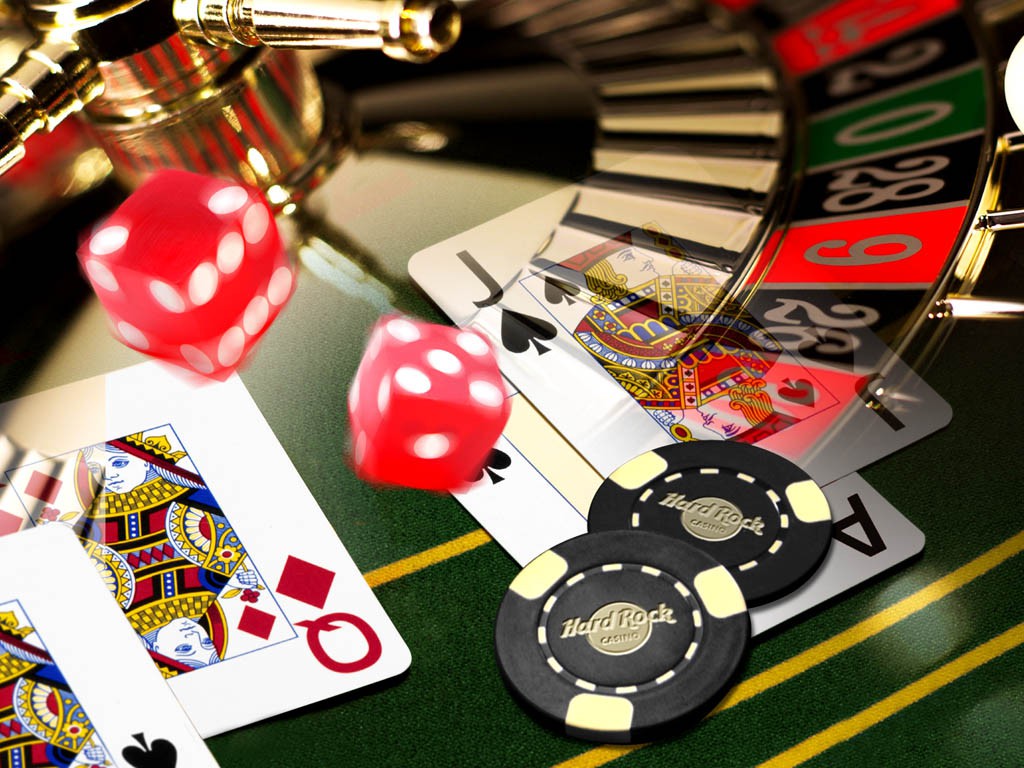
Moreover, the thrill is amplified by social factors. Casinos provide an atmosphere filled with other players, creating a communal experience that enhances excitement. Observing others win can instill a belief that luck is contagious. The social interactions and shared moments can become integral to the gambling experience, making it more enticing and encouraging individuals to engage more frequently.
The Role of Near-Misses
Near-misses are a significant psychological trigger in gambling behavior. A near-miss occurs when a player almost wins but falls short, such as landing two out of three symbols on a slot machine. This phenomenon is vital because it activates the brain’s reward mechanisms similarly to an actual win, creating a false sense of success. Research indicates that near-misses can lead to increased gambling, as they provide a sense of hope and encourage players to try again.
Near-misses reinforce the belief that victory is within reach, which can be incredibly addictive. Gamblers often convince themselves that with just one more try, they will secure a win. This psychological push can lead to longer gambling sessions, as players become trapped in a cycle of trying to achieve the elusive win. Casinos are designed to maximize this effect, often placing machines that deliver frequent near-misses to keep players engaged.
Understanding this behavior is crucial for both gamblers and casino operators. For players, recognizing the impact of near-misses can help mitigate the risk of developing problematic gambling habits. For casino operators, capitalizing on this psychological aspect can enhance player engagement and overall satisfaction, making it a double-edged sword that demands careful management.
Impact of Technology on Gambling Behavior
The rise of online gambling platforms has significantly transformed traditional casino experiences. Technology offers convenience, accessibility, and immersive experiences that appeal to a broad audience. Players can now gamble from the comfort of their homes, breaking down barriers that once limited participation. This accessibility has increased gambling behavior, as it’s easier than ever for individuals to place bets anytime and anywhere.
Furthermore, technology enhances engagement through sophisticated algorithms and personalized experiences. Online casinos utilize data analytics to tailor game recommendations and bonuses based on individual behaviors. These strategies create a more enticing environment, encouraging players to gamble longer and more frequently. The instant feedback loop provided by digital platforms heightens the psychological triggers of gambling, making the experience even more addictive.
Additionally, the integration of virtual reality and live dealer games introduces new dimensions to online gambling. Players can now engage in real-time interactions, recreating the social atmosphere of traditional casinos. This innovation not only enriches the gaming experience but also intensifies the psychological triggers, as players feel more connected to the action. As technology continues to evolve, its influence on gambling behavior will only grow, necessitating ongoing research and understanding.
Emotional and Behavioral Factors
Emotional factors play a crucial role in gambling behavior. Many individuals use gambling as a coping mechanism to escape from stress, anxiety, or other emotional difficulties. This form of escapism can be appealing, providing a temporary reprieve from reality. However, it also risks developing harmful habits, as players may increasingly rely on gambling to manage their emotional states. Recognizing this connection can help individuals better understand their motivations and potential risks.
Behaviorally, gambling can become a habitual activity, triggered by specific environmental cues. These cues can include physical locations, specific times, or even social interactions that remind individuals of previous gambling experiences. Over time, these associations can strengthen the urge to gamble, creating a feedback loop that reinforces the behavior. Understanding these triggers is essential for developing strategies to manage or mitigate compulsive gambling tendencies.
Additionally, the consequences of gambling can lead to a cycle of negative emotions. Players may experience guilt, shame, or anxiety over losses, which can prompt further gambling as a misguided attempt to regain control. This emotional cycle underscores the need for awareness and support, as recognizing the interplay between emotion and behavior is vital for individuals at risk of developing problematic gambling habits.
Westace Casino: Enhancing the Gambling Experience
embodies the modern approach to online gambling, combining advanced technology with a user-friendly interface tailored to the needs of players. With a focus on player safety and convenience, Westace offers a diverse range of games designed to engage users psychologically and emotionally. The platform’s commitment to providing a secure environment fosters trust and encourages responsible gambling practices.
Moreover, recognizes the psychological triggers behind gambling behavior, integrating features such as responsible gaming tools and support resources. By offering players insights into their habits and promoting healthy boundaries, Westace aims to create a balanced gaming experience. This proactive approach not only enhances player satisfaction but also contributes to long-term engagement, ensuring a positive relationship with the platform.
The combination of technology, diverse gaming options, and commitment to user safety positions as a leader in the online gaming industry. By prioritizing the psychological aspects of gambling behavior, Westace enhances player experiences while promoting a culture of responsible gaming, paving the way for a more enjoyable and sustainable gambling environment.
Leave a Reply